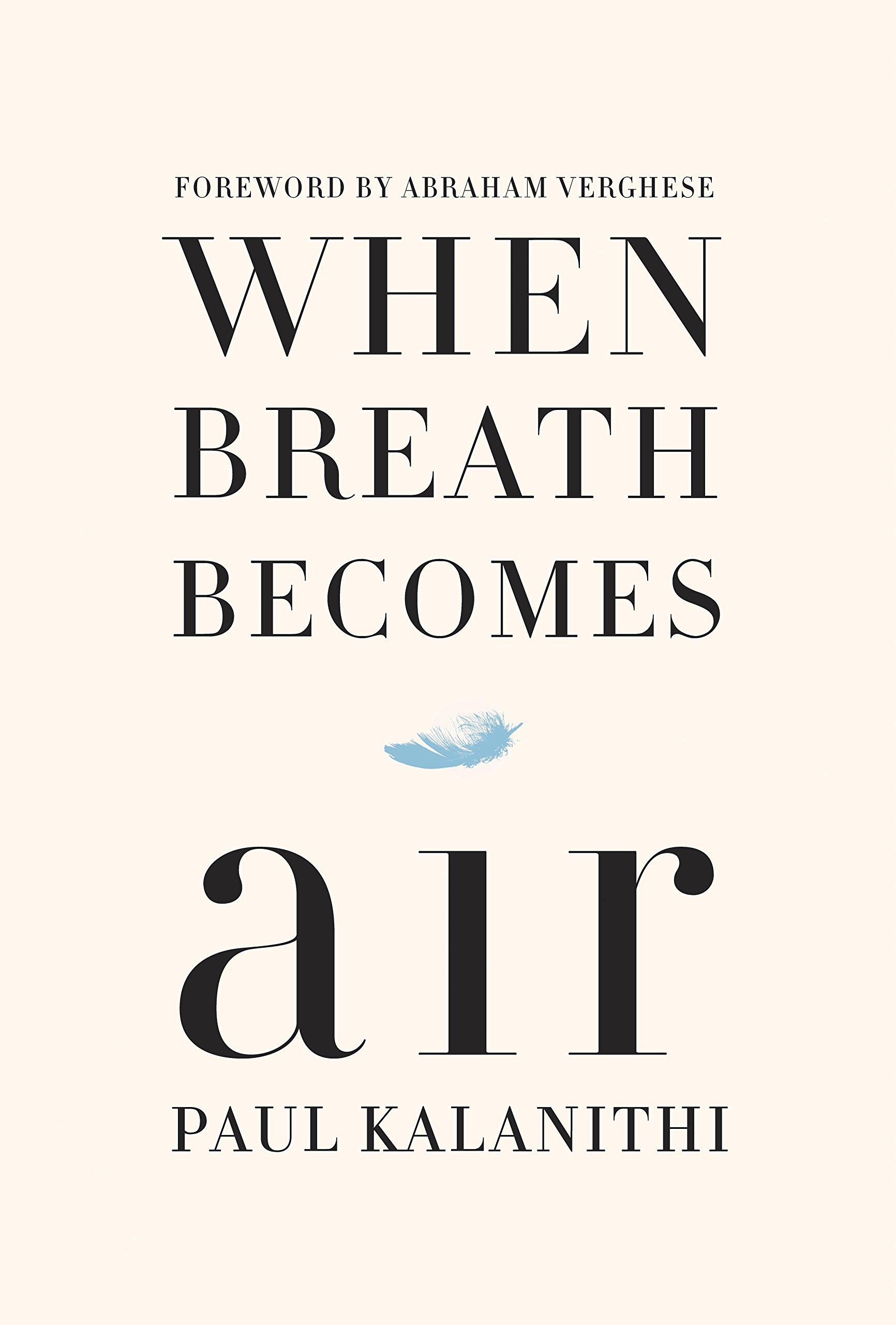
When Breath Becomes Air by Paul Kalanithi
 
paulinhospital_0-1-1-1.png
 

When Breath Becomes Air by Paul Kalanithi, reviewed by Alison Walker (of the Books & Company Book Club).

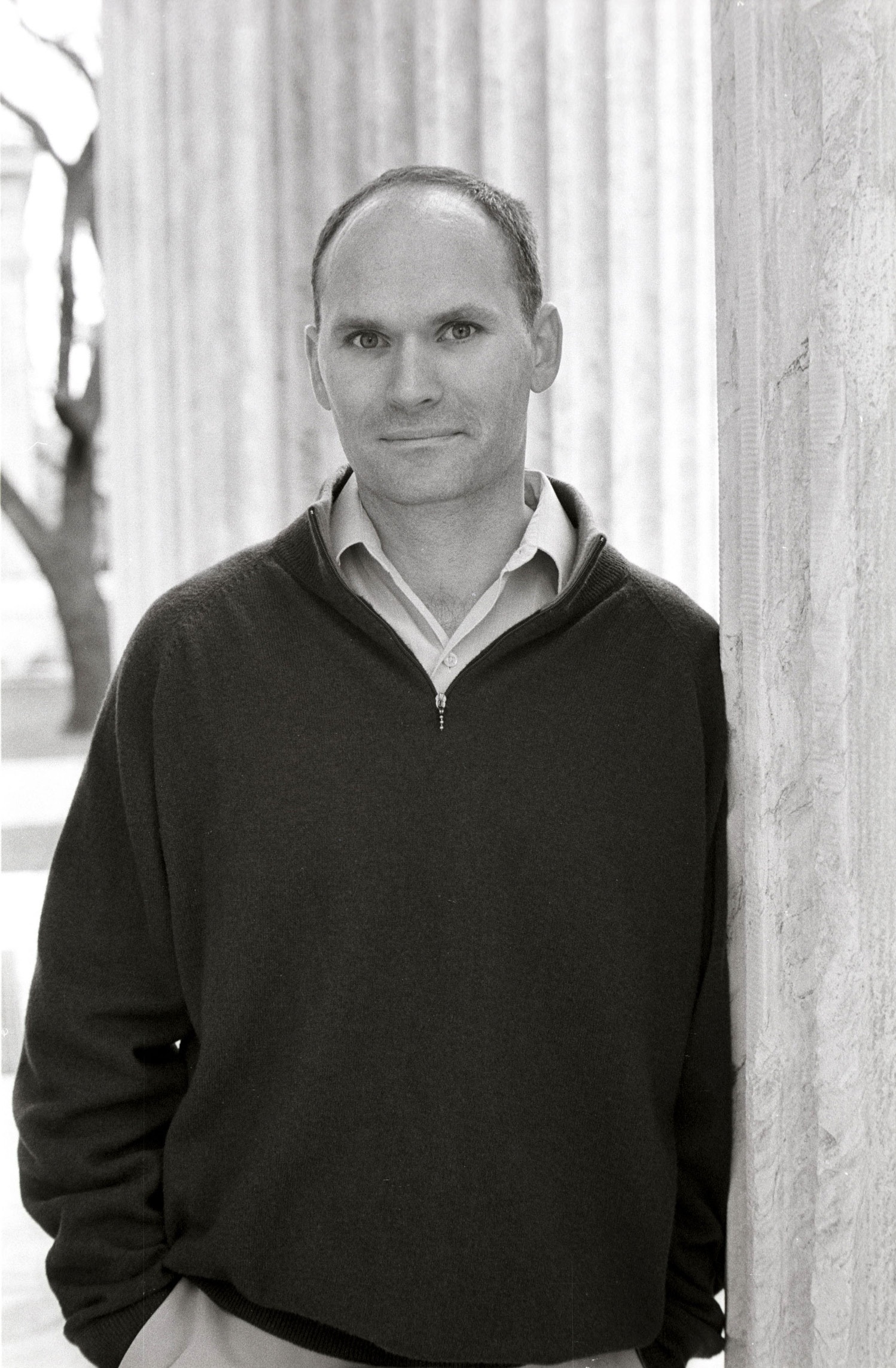
Paul Kalanithi was a 36 year old neurosurgeon on the verge of attaining everything he had worked so hard for over the last ten years, when he was diagnosed with stage 4 lung cancer. He decided to write "When Breath Becomes Air" as a two-part memoir. The first part chronicles his life from childhood, through university, medical school and his neurosurgical training, while in the second part he bravely recounts his quest to come to terms with his mortality.

"When Breath Becomes Air" is a fascinating book. Paul was academically a very high achiever and it is interesting to read that he was determined not to become a doctor like his father. He said he knew medicine only by it's absence, because of the long hours his father worked, so instead he initially pursued studies in English literature and human biology. He became interested in the brain because it enabled us to give meaning to our lives, but he never lost his love of literature and in the second part of the book he often returns to literature to help him make sense of his diagnosis and the thought of death.

Paul is an engaging writer and tells many interesting stories about his life as a surgeon, but it is the second part of the book that will remain with me for a long time. Yes, his diagnosis was extremely tragic, but I liked reading about how he coped with becoming the doctor instead of the patient, how he faced his new reality head on, and how he and his wife decided whether or not to start a family during his treatment. Despite the subject matter, it is not a book that is without hope and it is one that I am very glad I took the time to read.
Email us today to reserve your copy of When Breath Becomes Air.

Mary Poppins by P.L. Travers


Mary Poppins by P.L. Travers, reviewed by Sofia (age 9).

What better way to celebrate the back to school month of August than by welcoming our new book reviewer Sofia (age 9)….and what better book to start with than Mary Poppins by P.L.Travers.

“I have read many wonderful books in my lifetime, but none were as interesting as the one I just finished. Mary Poppins by P.L.Travers is a great read. It connected to the Disney film, but it was also very different. Mary Poppins was very strict in the book. After the film was made, many people said that Walt Disney made Mary too sweet. I would agree if I had not watched the film first. When someone says Mary Poppins, I automatically think the sweet Mary Poppins from the film.

P.L. Travers had Jane and Michael as characters but in the book there was also John and Barbara, the younger Banks twins. Mr. Banks was mean, and did not often appear in the book.
The magic in the book was breathe taking. Every chapter took you through a different course of Magic. My favorite chapter was Miss Corry. It was baking magic (and I love love to bake). There was star hanging, sugar cane fingers, and much more. I truly love this book. Go to your neighborhood bookstore, Books and Company and read it yourself.”

Thanks for the lovely review Sofia!

Email us today to reserve your copy of Mary Poppins.

Austin Sailsbury
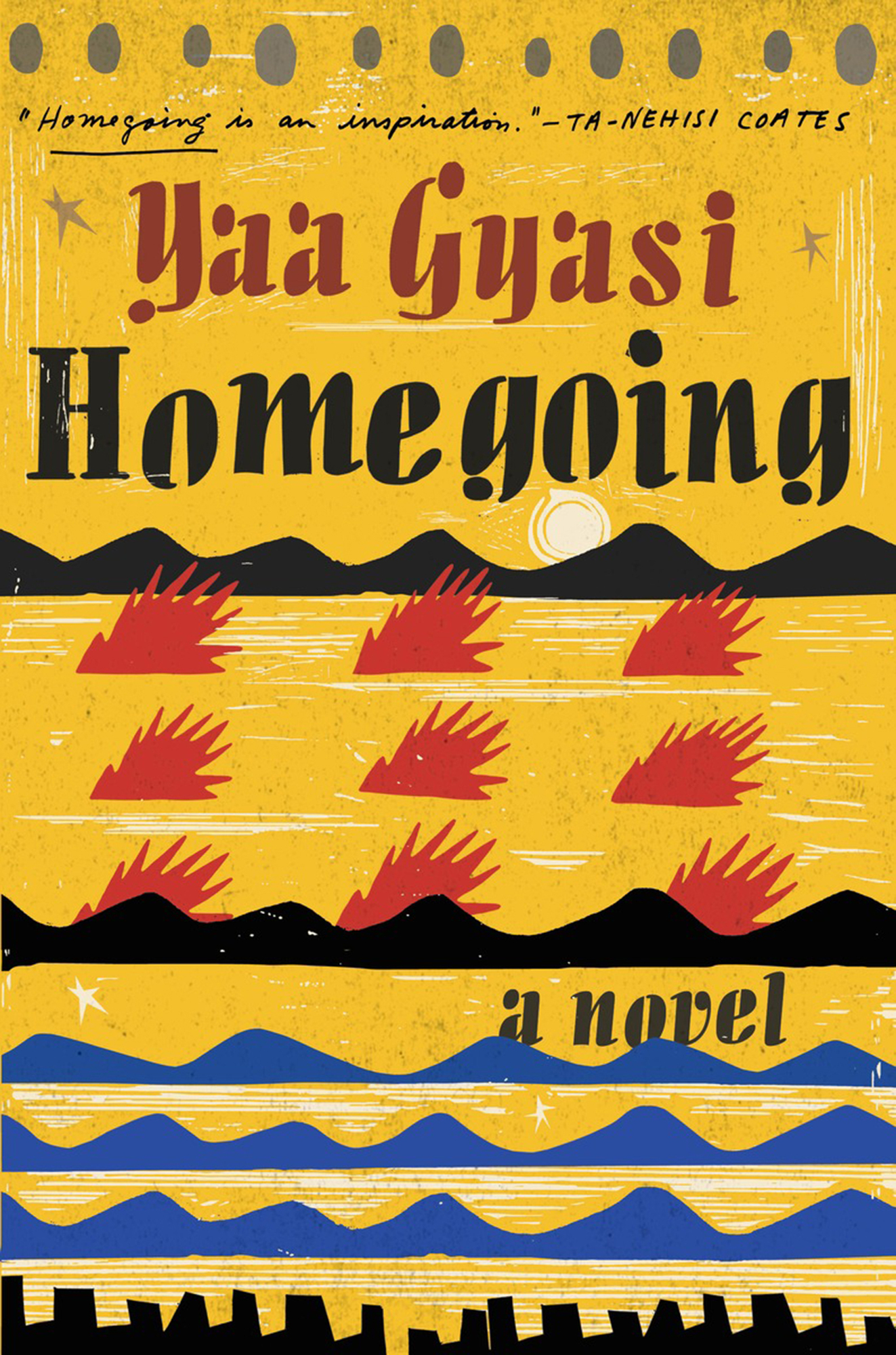
Homegoing by Yaa Gyasi


I thought I knew what to expect when I picked up “Homegoing” the debut novel by Yaa Gyasi – a novel of emigration and immigration, of loss and the search for a new and better life.

I did get that, but I also found myself quickly turning the pages of a novel set in the fascinating historical and cultural context of Ghana, a country I knew little about.

“Homegoing” opens with the heartbreaking, chilling stories of the African slavetrade, of wars fought between the Asante and Fante tribes with British and American slavetraders waiting in the wings ready to exploit the situation. The novel follows two half-sisters Effia and Esi born in two different villages and into two very different futures. We follow their families from 18th century Ghana to present day as some stay in Africa and some travel to America destined to a life in slavery.

The novel covers a lot of ground in its 300 pages, leaving some historical periods, especially the development and growing independence of Ghana, unexplored or at least not fully explored. In spite of each chapter’s focus on a different family member the novel never feels disjointed, as Yaa Gyasi succeeds in making each story utterly personal, intimate and relevant, willing the reader to move forward at a quick pace to discover their fates.

With “Homegoing” we are once again reminded that where we come from is an inextricable part of who we are and that – if we allow it to – it can determine who we become, for better or for worse.

Email us today to reserve your copy of Homegoing.

Austin Sailsbury
All The Light We Cannot See by Anthony Doerr


Marie Laure and Werner are young adults during World War II. One blind, the other an orphan; one a young French girl, the other a young German radio operator. Both find themselves in the small town of Saint Melo during the German occupation of France.

The book is a beautifully crafted tale of two people caught in situations beyond their control trying to find their way, literally through their senses. All the Light we Cannot See is full of detailed description as if Doerr is attempting to feel his way through the simple, yet multi-layered stories of kind, generous people whose lives are turned upside down by war.

Although set in the 1930s and 1940s of Germany and France, it is difficult not to read the story and its descriptions of shattering windows, basement shelters and thousands of people, families, parents, grandparents, crazy uncles and frightened children on the run without thinking of the hundreds of thousands of people fleeing war and devestation in Syria.

We read books like these and are moved by the plight of the characters, silently grateful that we don’t have to experience the same horrors, that the war ended and a peaceful Europe rose from the ashes.

I recently re-read passages of Anthony Doerr’s book – and once again was struck by the shortness of our collective memories. The generation that experienced the horrors of that war are still alive to bear witness to the atrocities committed and the years and reasons that led to them.
Yet, here we are, making similar mistakes, accepting – if not applauding – similar rhetoric, giving in to similar fears, one group of scapegoats exchanged for another, watching a generation of Europeans leaders who cannot agree on letting in the Marie Laures of our time.


Email us today to reserve your copy of All The Light We Cannot See.

Austin Sailsbury